

The charging infrastructure that keeps Bring moving
When the day’s deliveries begin, the vehicles need to be ready. For Bring, reliable charging is essential to electrifying its operations. With Amp5 from AmpSociety, the company has installed charging infrastructure at four locations. The rollout now continues in Stockholm, with the same focus on reliability, ease of use and room to grow.


Overnight, Bring’s light trucks charge at the terminal in Örebro. When the drivers arrive, another day of deliveries awaits. The transport planning team has scheduled the routes, and every vehicle needs enough charge to complete its assignment.
This is where electrification becomes part of everyday operations. An electric vehicle needs charging infrastructure that keeps pace with the business. For Bring, that means being able to plan the day with confidence that the vehicles will be ready when needed.
“Reliability is absolutely essential. The transport planning team and drivers need to be confident that the charging infrastructure works. Otherwise, it becomes a source of stress in their daily work,” says Lars Furunäs District Manager, Bring Örebro.
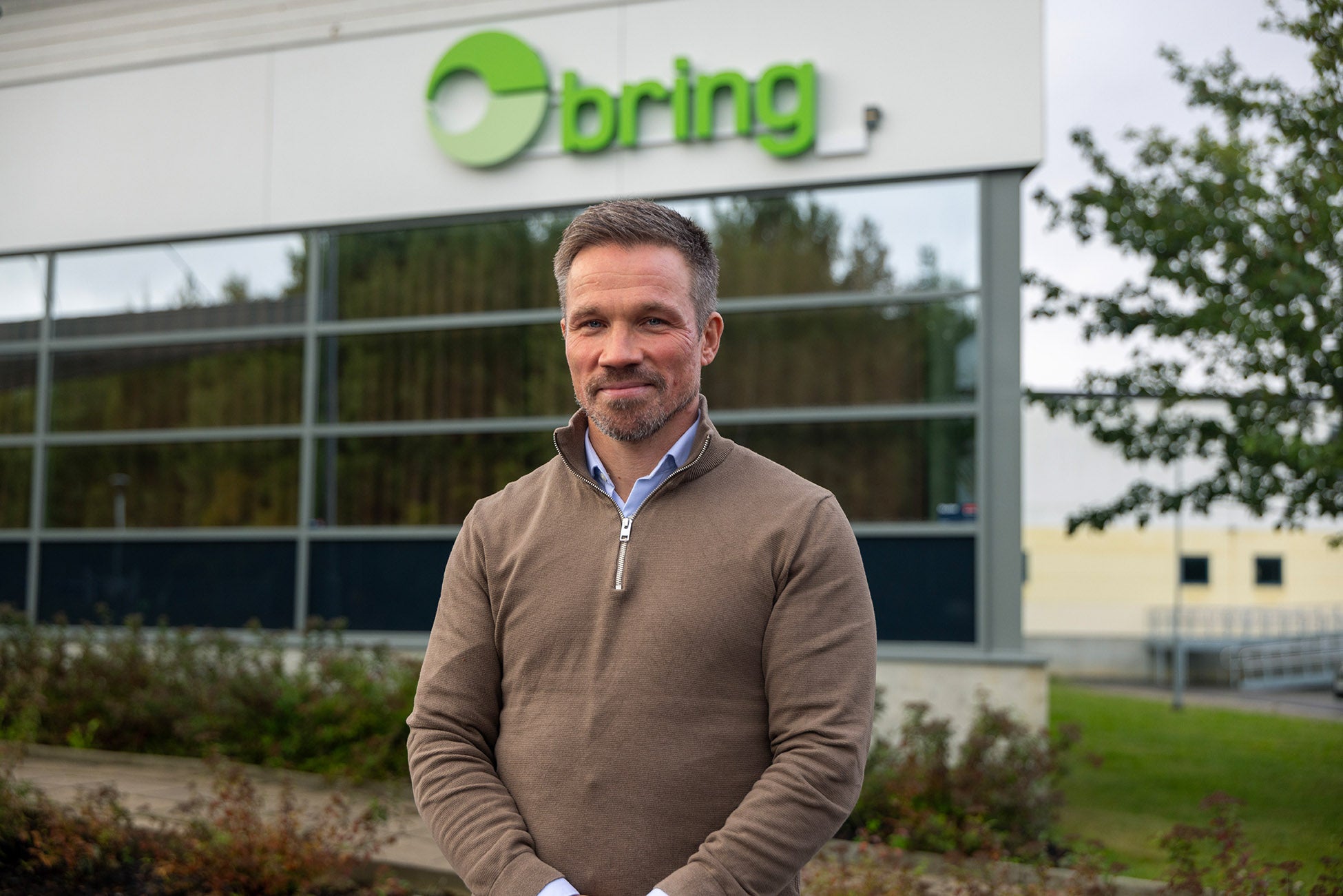
Lars Furunäs, District Manager, Bring Örebro.
Building its own charging infrastructure was the way forward
Around 2021, charging became a strategic priority for Bring. Customers were asking for fossil-free transport, the company’s own environmental targets were driving the transition, and public charging options were limited. To move forward, Bring needed to take control of charging at its terminals.
“We concluded that we needed to build our own charging infrastructure at our terminals rather than wait for someone else to do it”, says Catherine Löfquist, Head of Sustainability, Bring Sweden and Denmark.
Today, around half of Bring’s light truck fleet is electric. The goal is to complete the transition of the entire light vehicle fleet during 2027. As more electric vehicles enter service, charging needs to keep pace, both in capacity and in how well it works for the people who use it every day.

A charging system that works every day
Scalable hardware was a requirement from the outset. Bring needed to expand charging as more vehicles became electric. At the same time, the solution had to work for the drivers plugging in their vehicles and the transport planning team scheduling their next assignments. This is where software became the deciding factor in choosing a charging system.
“What really made the difference was the software. We found smart solutions that work for both the drivers and the transport planning team,” says Lars Furunäs, Bring.
Bring chose Amp5 from AmpSociety.
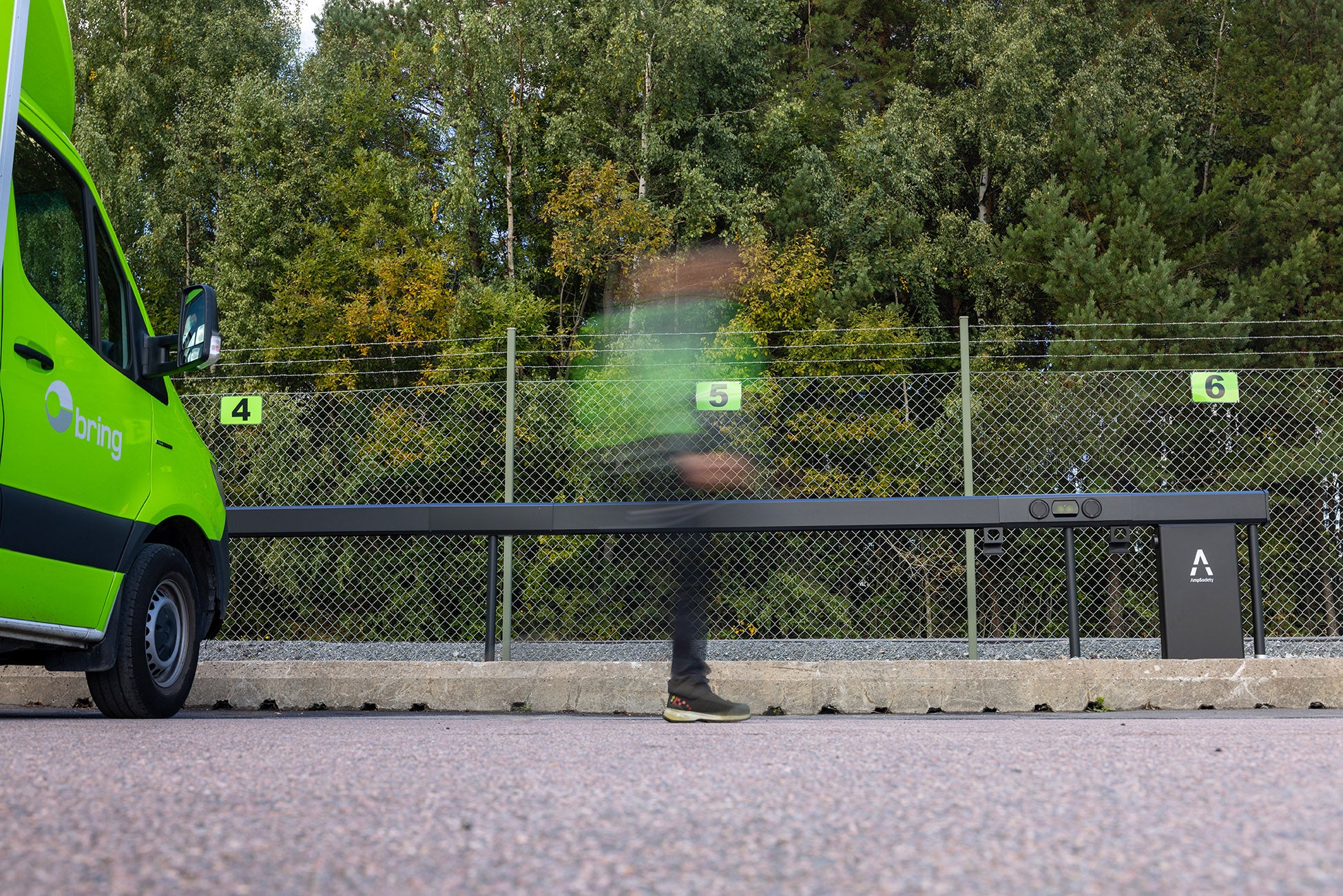
For charging to work reliably in a business where every delivery counts, the entire system needs to work together. In Amp5, control, protection and communication are brought together in a central SmartHub that monitors operation and can automatically detect and handle faults at several levels. Load balancing runs locally and continues to distribute the available power even if the internet connection is lost.
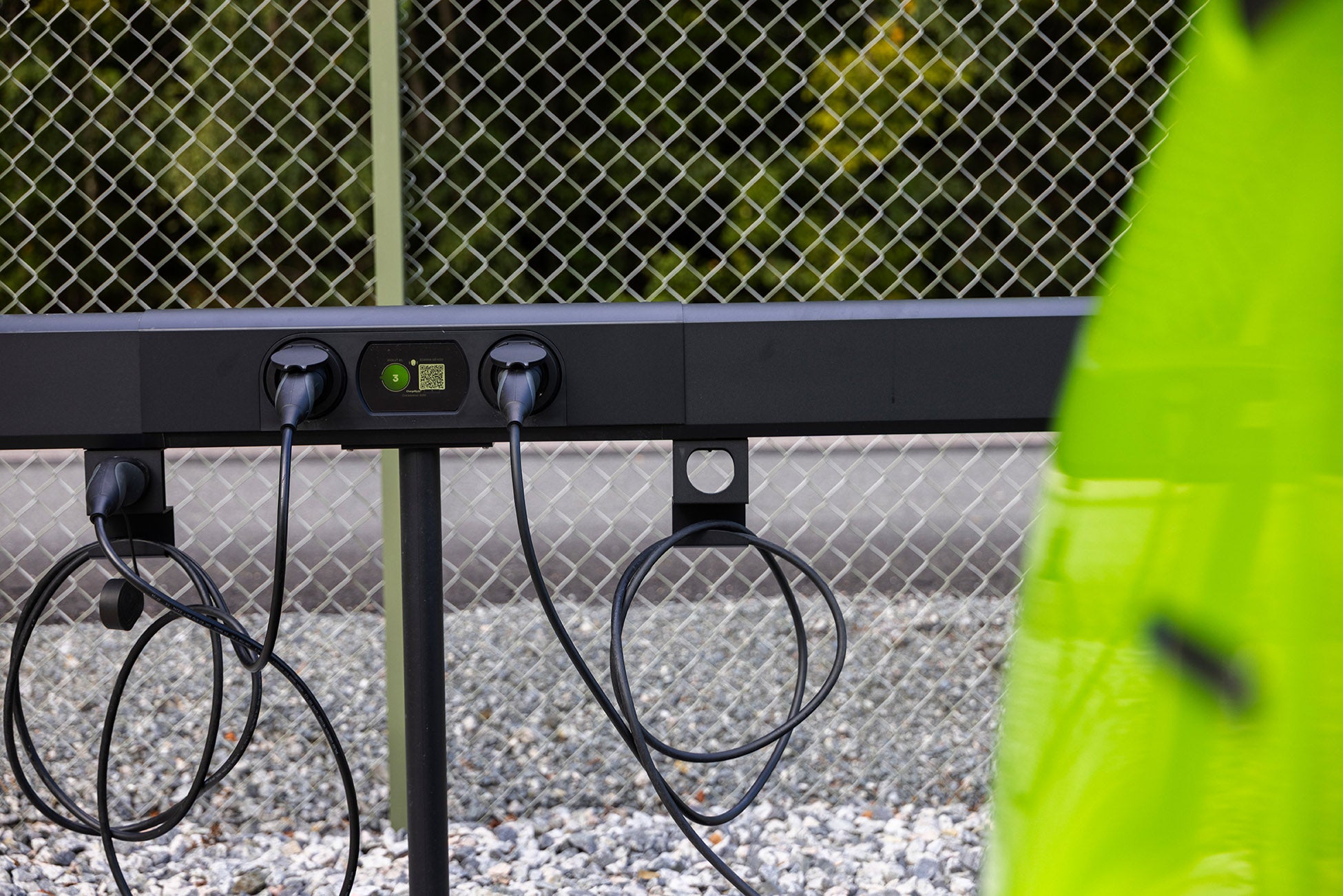
For a business where charging affects the next day’s deliveries, these capabilities matter. They help keep charging running when a disruption occurs, without every issue becoming a task for the team on site.
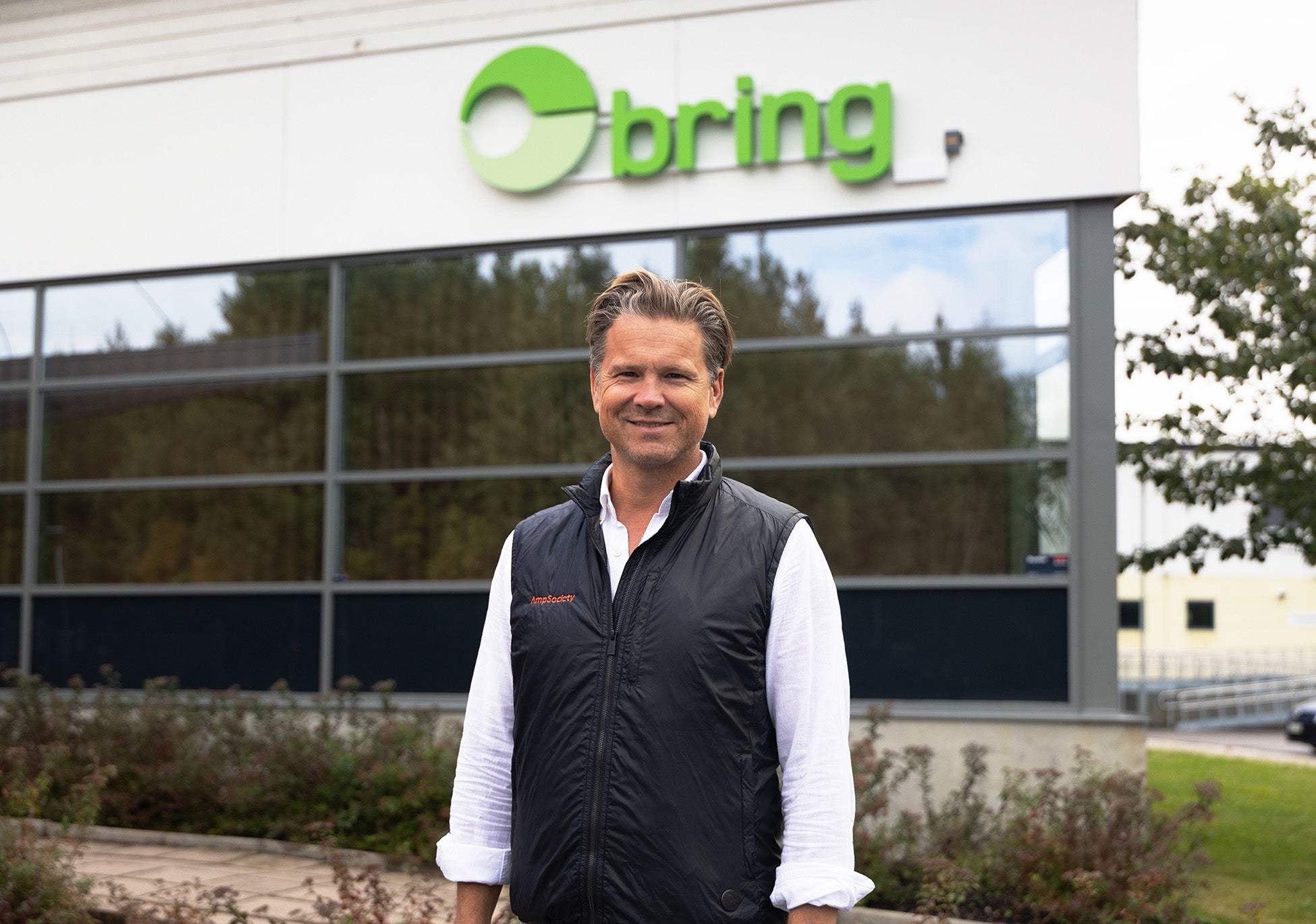
“When charging is business-critical, uptime is everything. The system has to work around the clock, all year round”, says Niclas Wennerholm, CEO, AmpSociety
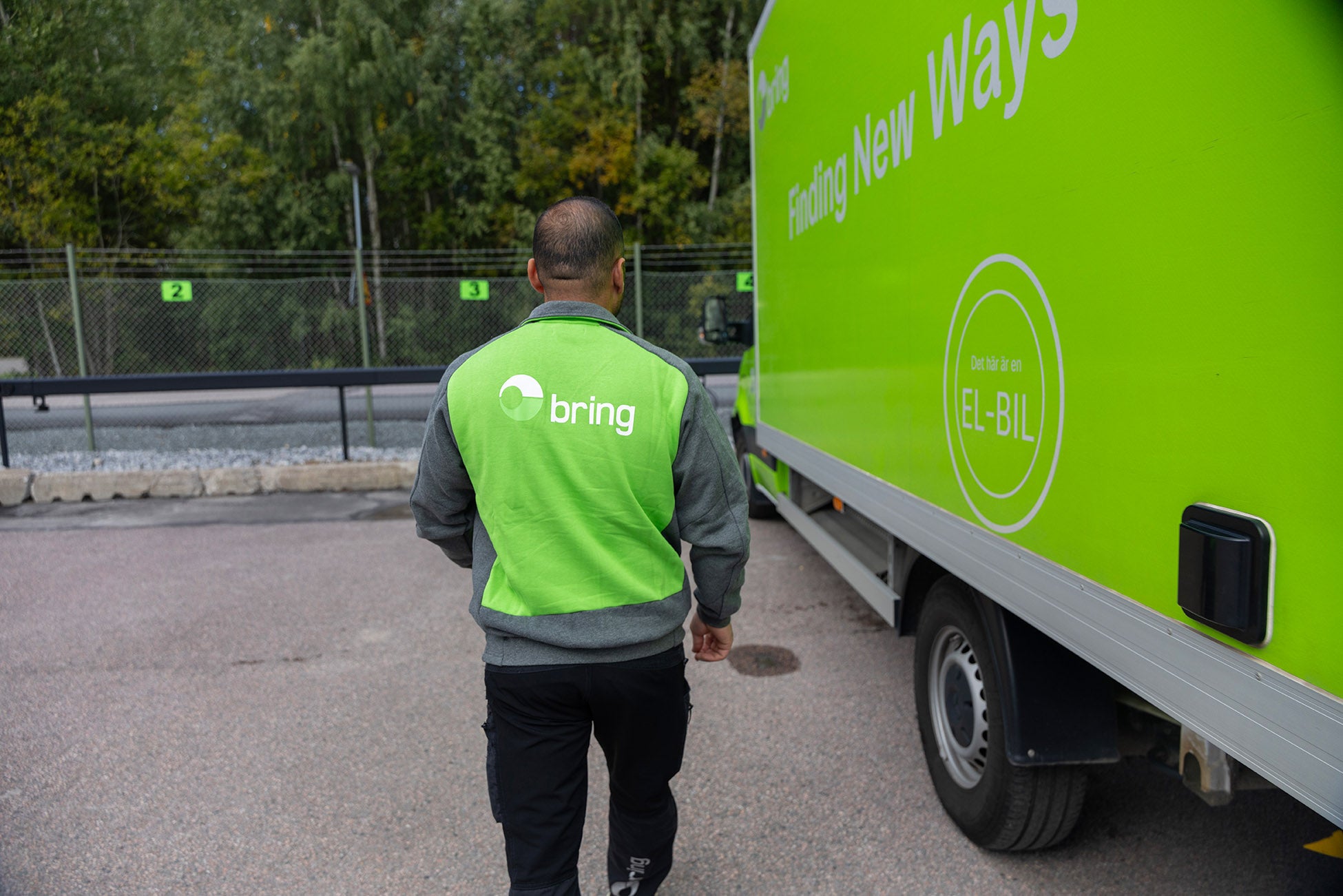
Charging that fits the working day and the journey home
Örebro shows how charging needs to serve several purposes at the same terminal. There are 22 Amp5 outlets in the commercial vehicle parking area and another 10 in the visitor and staff car park. Commercial vehicles mainly charge overnight, while employees’ cars charge during the day.
This makes charging a natural part of the working day. Drivers can plug in their own cars and walk over to the work vehicles that have charged overnight. By the end of their shifts, their own cars have also had time to charge.
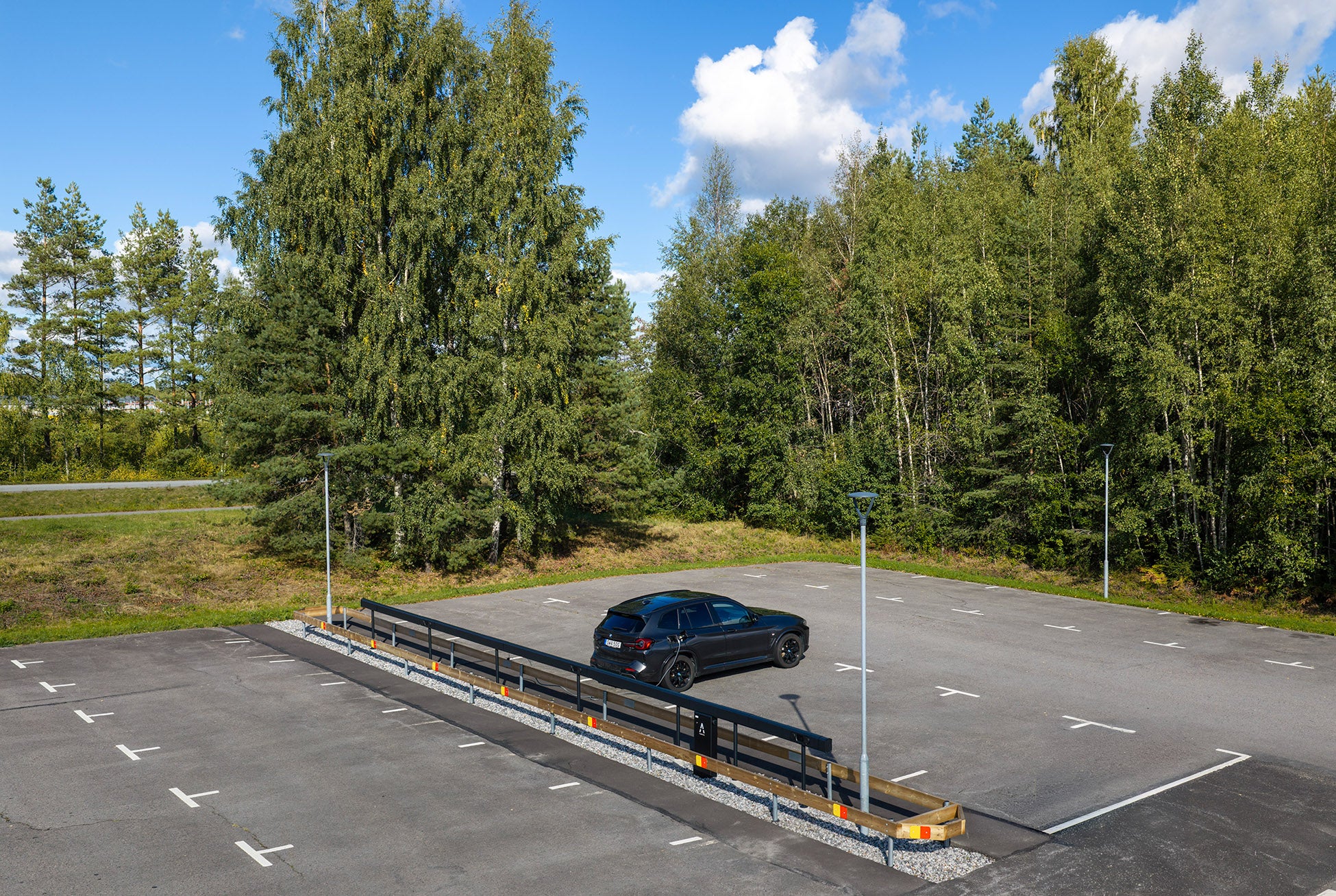
“Hauliers and drivers can park and charge their own cars, then take a short walk to their work vehicles, which are also charged and ready. It’s simple, and that simplicity is what gets people to make the switch”, says Lars Furunäs, Bring.
The same technology as more terminals go electric.
The rollout currently includes 87 Amp5 outlets in Örebro, Kallhäll, Mölnlycke and Malmö. By using the same charging system at all four locations, Bring creates a familiar experience for employees who work across several terminals.
“For employees who travel between our locations and terminals, there’s reassurance in knowing the technology is the same everywhere. It feels familiar straight away”, says Lars Furunäs, Bring
Stockholm is next, with another 75 outlets being installed and scheduled for completion in summer 2027. This will increase the number of Amp5 outlets at Bring from 87 to 162.
To ensure the right capacity, Bring bases its planning on operational data and capacity calculations. Charging is considered early when new terminals are planned, often with expansion in several stages. Discussions with property owners and grid operators also need to start early, so the infrastructure is ready when more vehicles need to charge.
Amp5 is designed as a modular system that can grow with demand. Ready-made modules make it easy to expand the charging system with additional outlets or a double-sided configuration. Where site conditions allow, this can be done without further excavation. This gives Bring the flexibility to plan for more vehicles over time and align the rollout with the needs of the business.
From rollout project to essential infrastructure
Bring’s experience shows what electrification takes in practice. Charging needs to be planned around day-to-day operations, sized using the right data and easy to use. As more vehicles are added, the system needs to expand while keeping the technology familiar to employees.
For Bring, the transition continues with heavy vehicles used in linehaul and distribution. This is the next major step towards the company’s goal of net zero by 2040, and it brings new demands on charging infrastructure.
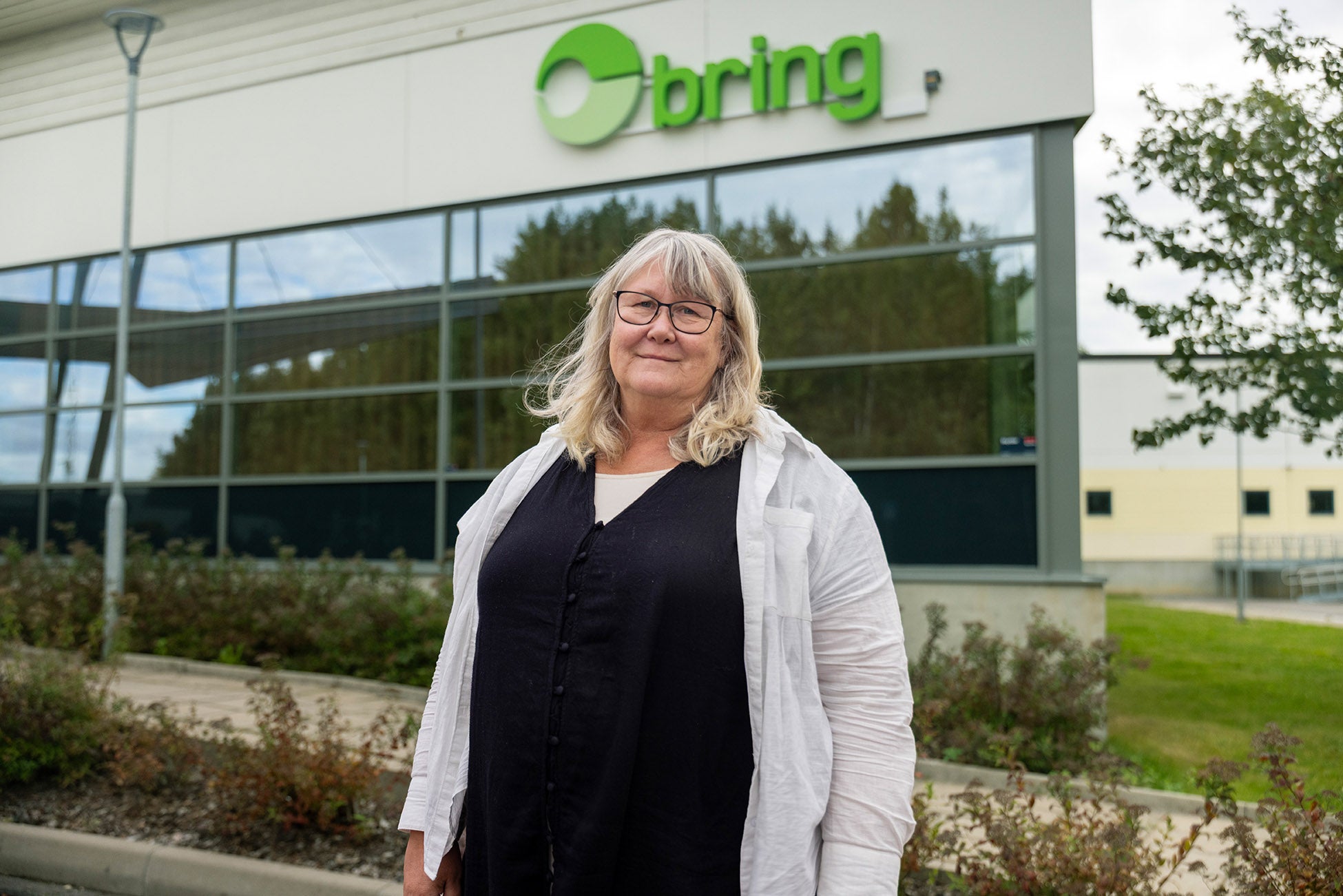
Catherine Löfquist, Head of Sustainability, Bring Sweden and Denmark.
At the same time, the work on the light vehicle fleet has made charging an established part of everyday terminal operations. Catherine Löfquist describes how the role of charging is changing as the transition progresses:
“In the future, charging will move from being a project to becoming core infrastructure, as essential as electricity and loading bay doors” says Catherine Löfquist.
At Bring’s terminal in Örebro, charging is already part of everyday operations. Vehicles charge overnight so they can be out on the road the next morning. When charging works as it should, drivers and the transport planning team can focus on the day’s deliveries.
Business-critical charging in action, watch the film here

For more information, please contact:
AmpSociety
Niclas Wennerholm, CEO
Phone: +46 705 93 29 20
Email: niclas.wennerholm@ampsociety.com
Join the AmpSociety Revolution!
We're expanding our network of resellers. Don’t miss your chance to be part of the future—register your interest today. Let’s build something great together!
